Informatics Research

Green Computing Logo

Computers and the Environment

Did you know how much of a negative impact does computing have on the environment? In an increasingly digital world, connectivity is non-negotiable, but the environmental footprint of our tech habits remains completely hidden.

Why to
Discuss
This?

Hidden environmental impact of data infrastructure

Computer science and new digital technologies have had both positive and negative impacts on the environment. In an increasingly digital world, where screens are ubiquitous and connectivity is non-negotiable, it’s easy to overlook the environmental footprint of our digital habits.

Unlike traditional industries whose pollution is clearly visible through smokestacks, digital pollution operates silently inside highly guarded data centers, automated infrastructures, and remote extraction fields.

"Digital sustainability is no longer an optional feature; it must become a structural requirement in modern system architecture."
Carbon Footprint Asset
01
Carbon Footprint

Global computation infrastructure now produces a significant percentage of global greenhouse gases.

Resource Mining Asset
02
Resource Extraction

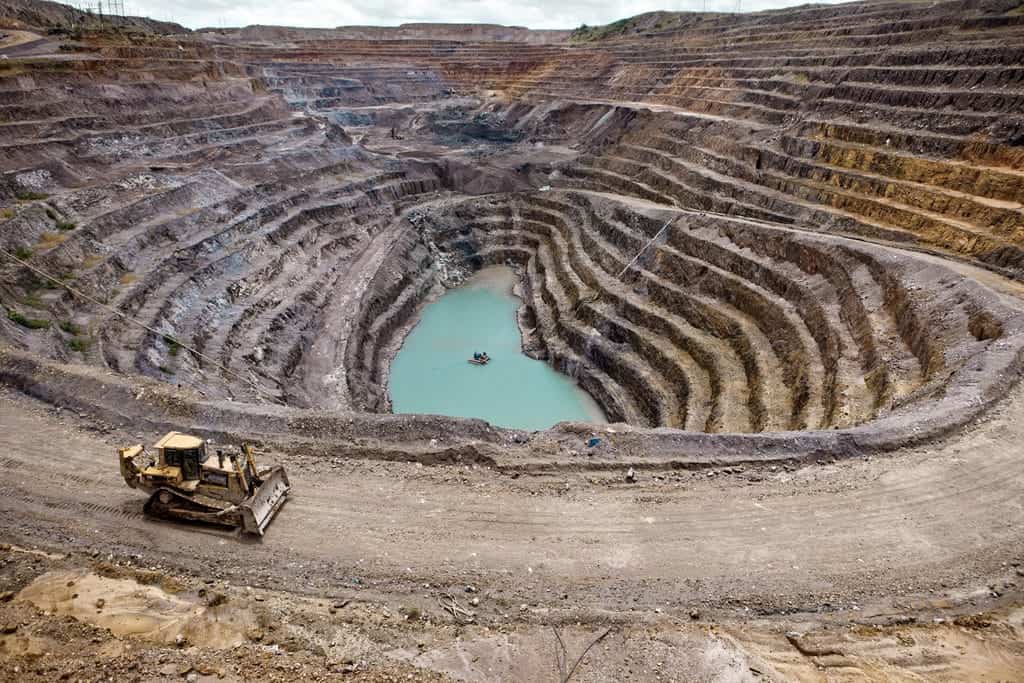
Production of advanced computer microchips requires heavy mining of rare earth metals under toxic conditions.

Biosphere Impact Asset
03
Technosphere Strain

The continuous expansion of technology disrupts the natural regulatory cycles of our biosphere.

Systemic Dilemmas

The Ethical Controversy

The conflict between continuous technological performance and environmental limits.

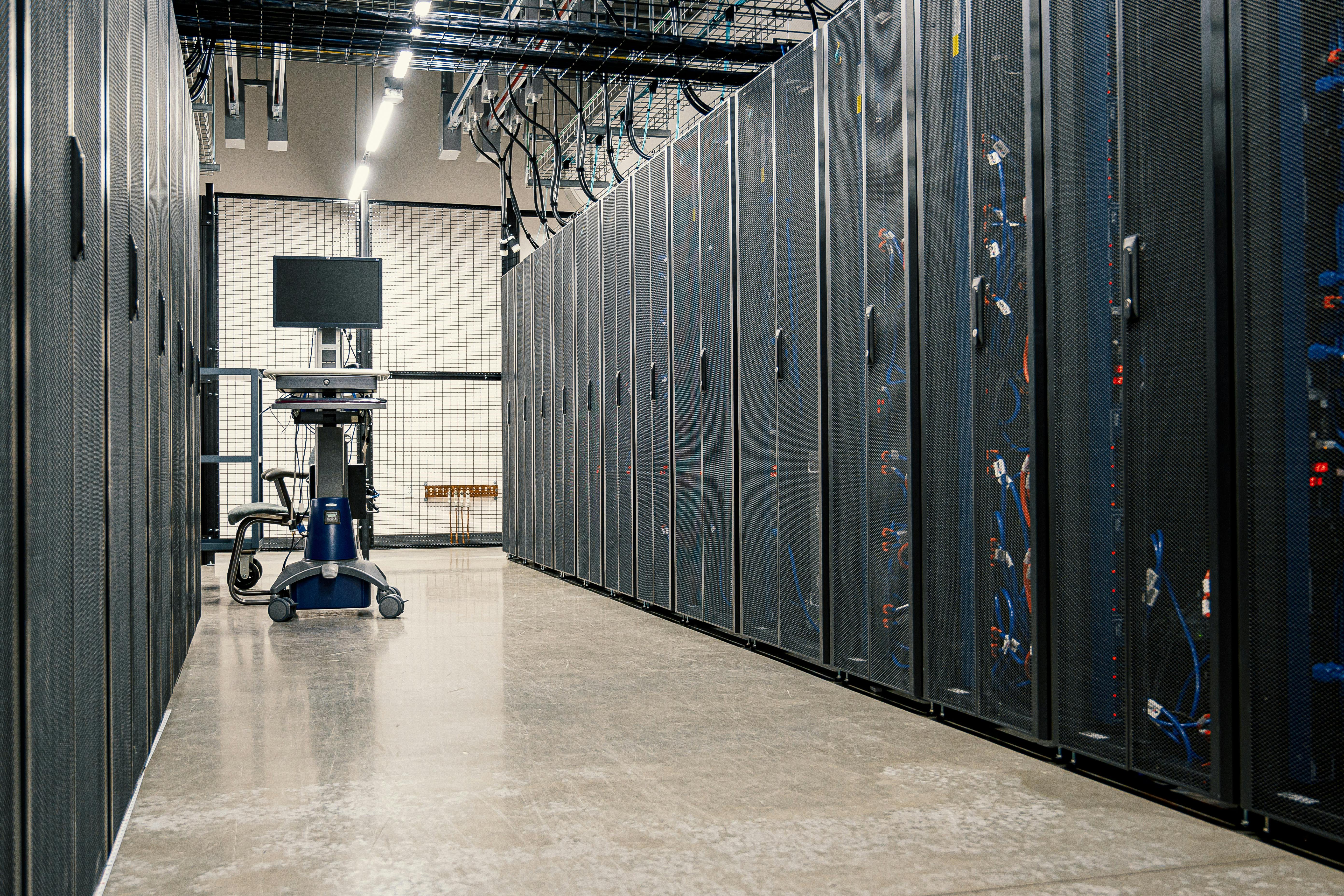
Data server rows

The Infrastructure Paradox

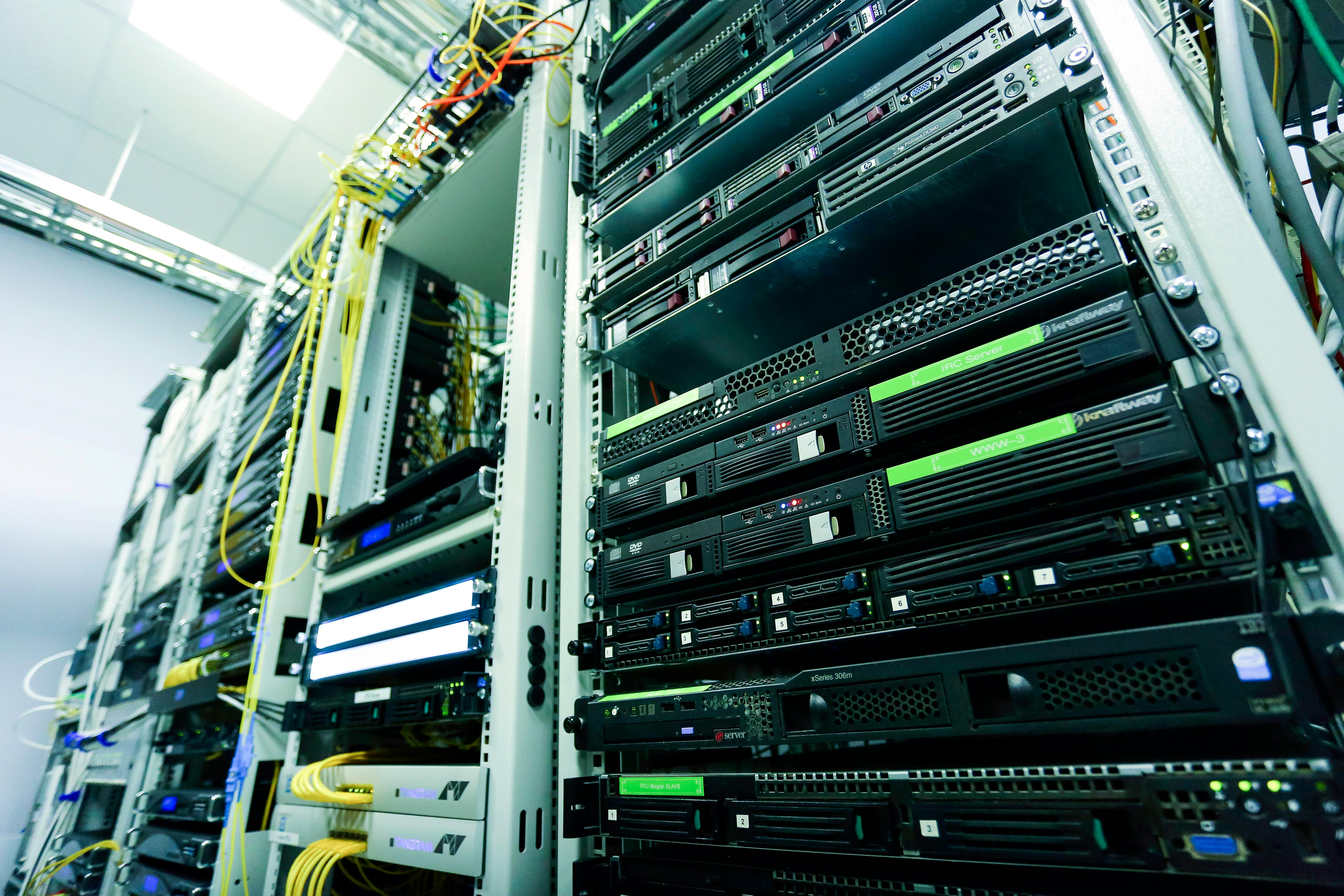
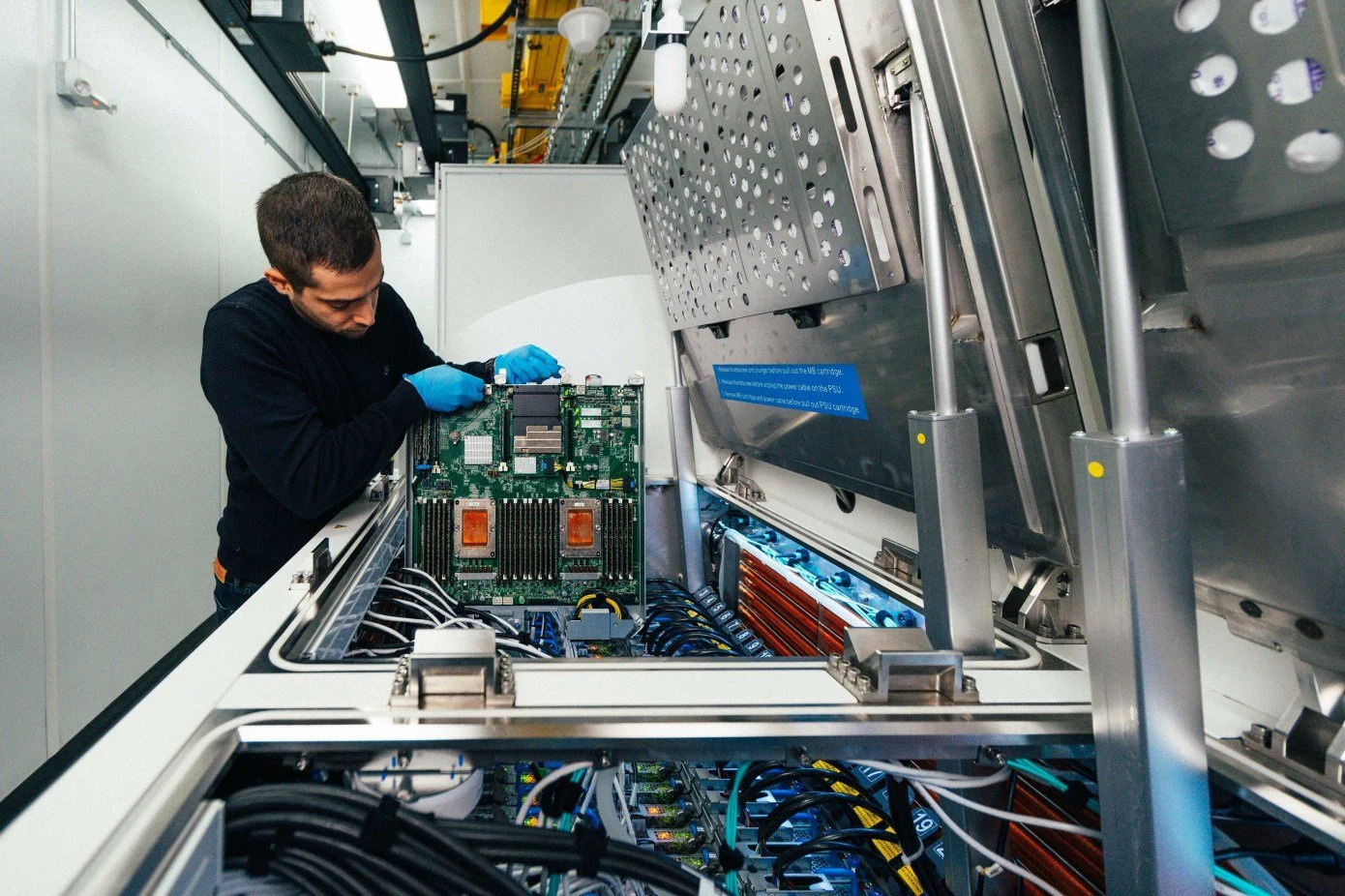
Data centers are processing millions of operations every single second. This invisible cloud structure relies on active cooling loops and power grids that run day and night, transforming immense digital efficiency into massive real-world resource demand.

Cooling liquid infrastructure
🤖

The AI Water Footprint

Training large mathematical models requires extreme computational hardware loads. These microprocessors require millions of liters of pure water for thermal regulation.

Electronic parts waste
♻️

The E-Waste Crisis

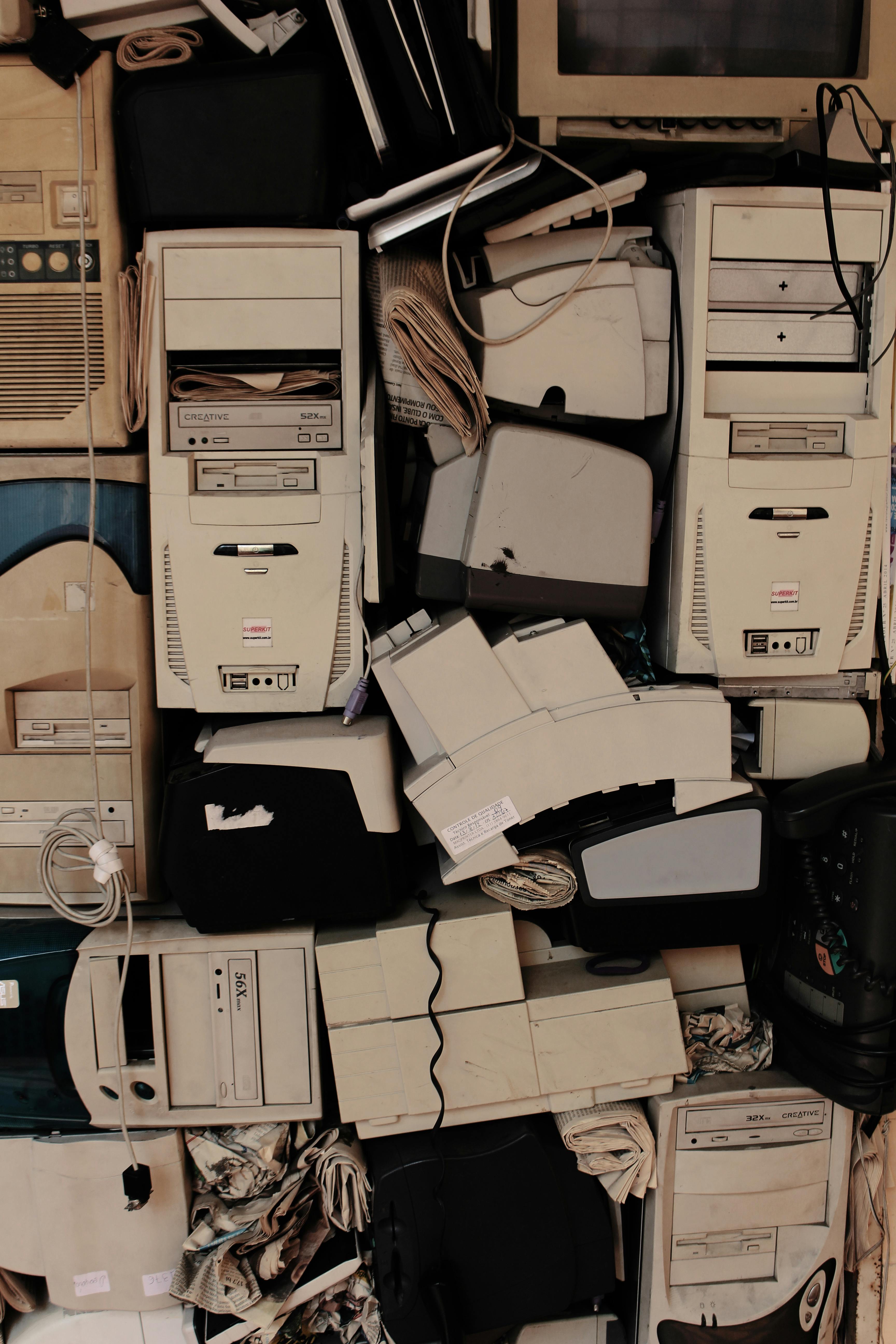
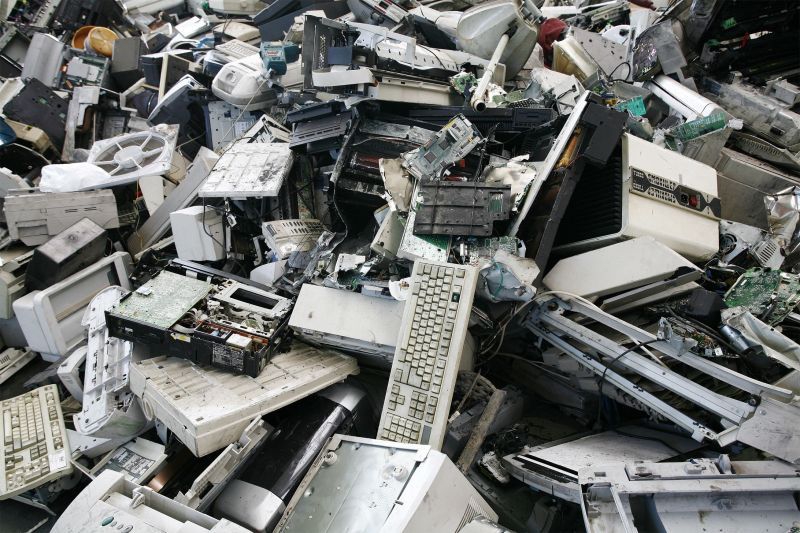
Rapid hardware obsolescence cycles prompt users and corporations to replace working devices at an alarming pace, generating metric tons of toxic electronic waste every year.

Scientific Metrics

Academic Case Studies

🌐
International Energy Agency
Electricity Grid Strain
Data center power use could double by 2026, reaching 1,000 TWh (matching Japan's total energy footprint).
💧
"Making AI Less Thirsty" Study
Water Resource Depletion
500ml of water consumed per 20-50 conversational prompts inside massive server training loops.
🗑️
United Nations Report
Toxic Material Accumulation
62 million tonnes of e-waste generated in a single year, growing five times faster than documented recycling capabilities.
Featured Video • Case Study 01

The Invisible Cost of the Cloud

This audiovisual resource explores how our growing reliance on computing impacts natural resources. It shows the real infrastructure behind the internet and highlights why optimization is critical.

Key Insight: Modern streaming services and continuous cloud synchronization make up over 60% of current downstream network traffic volumes, dramatically affecting global node stress indicators.

Featured Video • Case Study 02

The Crisis of Electronic Waste

This global investigation analyzes the physical destination of obsolete hardware and electronic scrap. It explores the toxic impact of informal landfills and the urgent necessity of microchip recycling.

Key Insight: Processing a single ton of discarded smartphones can extract up to 250 grams of pure gold, making electronic waste a highly hazardous yet valuable structural resource.

Mitigation Paths

Green Computing Strategies

Actions needed to decouple expanding computational tech from environmental strain.

💻 Algorithmic Optimization

Writing clean, efficient code directly lowers processing cycles, decreasing server room heat outputs and energy draws.

Efficient Code Front
Server Thermal Output Back

☀️ Renewable Infusion

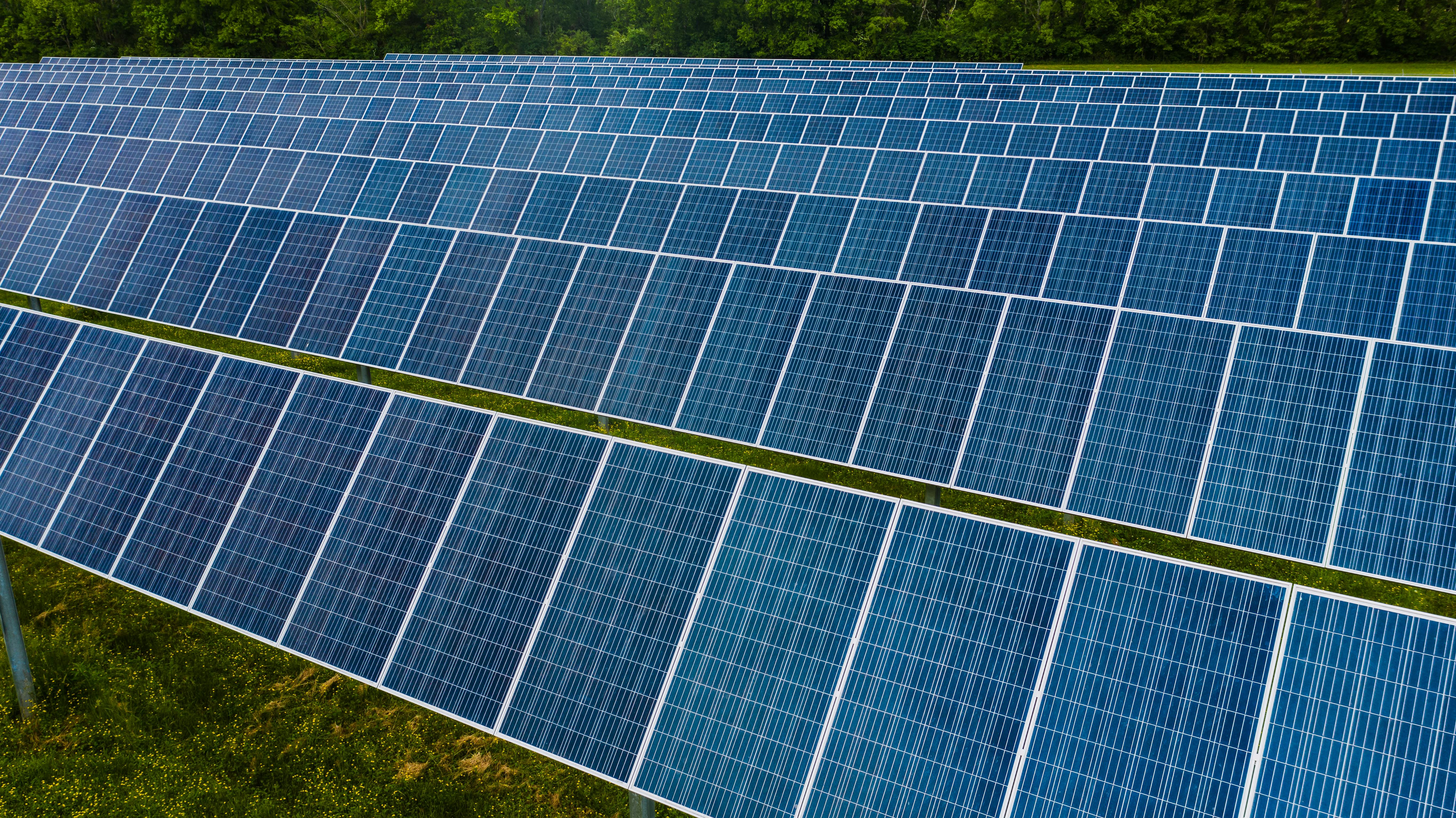
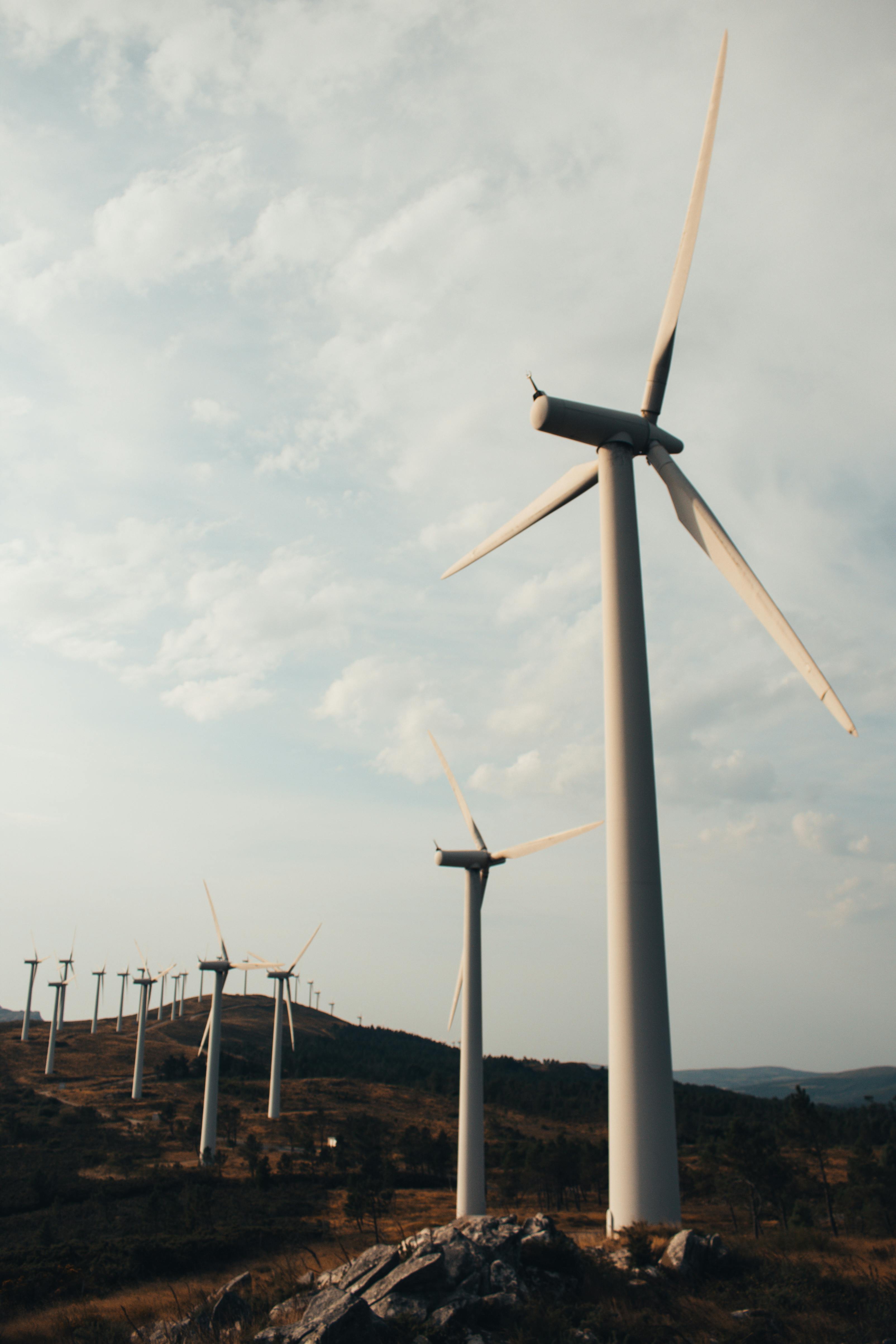
Relocating critical server architecture to regions running entirely on geothermal, solar, or wind power grids.

Solar Data Center Front
Wind Turbine Farms Back

🔄 Circular Design

Manufacturing hardware with modular, highly swappable parts extends machine life and controls electronic waste outputs.

Modular Hardware Front
E-waste Recycling Loop Back

📜 Green Regulations

Enforcing international technology auditing sheets regarding system material handling and operational transparency.

Environmental Audit Sheet Front
Global IT Compliance Back
Sustainable tech eco balance summary

Conclusions

Overall, while computer science has contributed to major social and business advancements, it poses undeniable challenges to our planet. Addressing these challenges requires structural adjustments from infrastructure managers, system developers, and the academic community.

Transitioning towards an ethical, sustainable paradigm requires that we build efficient systems that consider natural resource limits. As future informatics professionals, we hold the technical capability and the immediate duty to promote sustainable practices throughout the tech world.

  • Physical Cost Computing requires a highly real physical cost.
  • Water Loops AI training loops dramatically impact local water systems.
  • Frameworks E-waste requires circular recycling frameworks.
  • Optimization Algorithmic optimization lowers systemic strain.
Audio Essay Project
Audio Player
🎙️

How did we do it and what did we learn?

By Team Expedition Zero • Episode 01

Behind the Scenes:
Our Research & "Making of"

In this special episode, our team breaks down the clash between the Technosphere and the Biosphere. We analyze the digital carbon footprint and share how we structured this platform using highly efficient layouts, clean web architectures, and 100% optimized CSS code.

⚡ Informatics III Assignment
Format: MP3 Stereo
Duration: ~5 mins
Sources & Literature

Academic References

IEA
Global Power Analytics

[1] International Energy Agency (IEA). (2024). Electricity 2024: Analysis and forecast to 2026. IEA Publications.

IEEE
Engineering Council

[2] IEEE Computer Society. (2024). Green Computing Standards and Ethical Frameworks for Sustainable IT. IEEE Publications.

UN
Environmental Monitor

[3] United Nations Institute for Training and Research (UNITAR). (2024). The Global E-waste Monitor 2024. United Nations Publications.

GP
Tech Transparency

[4] Greenpeace International. (2023). Energy Efficiency and Grid Demands in the Modern Data Era. Green-IT Research Report.